
Career Path and Profile – Daniel Freerichs
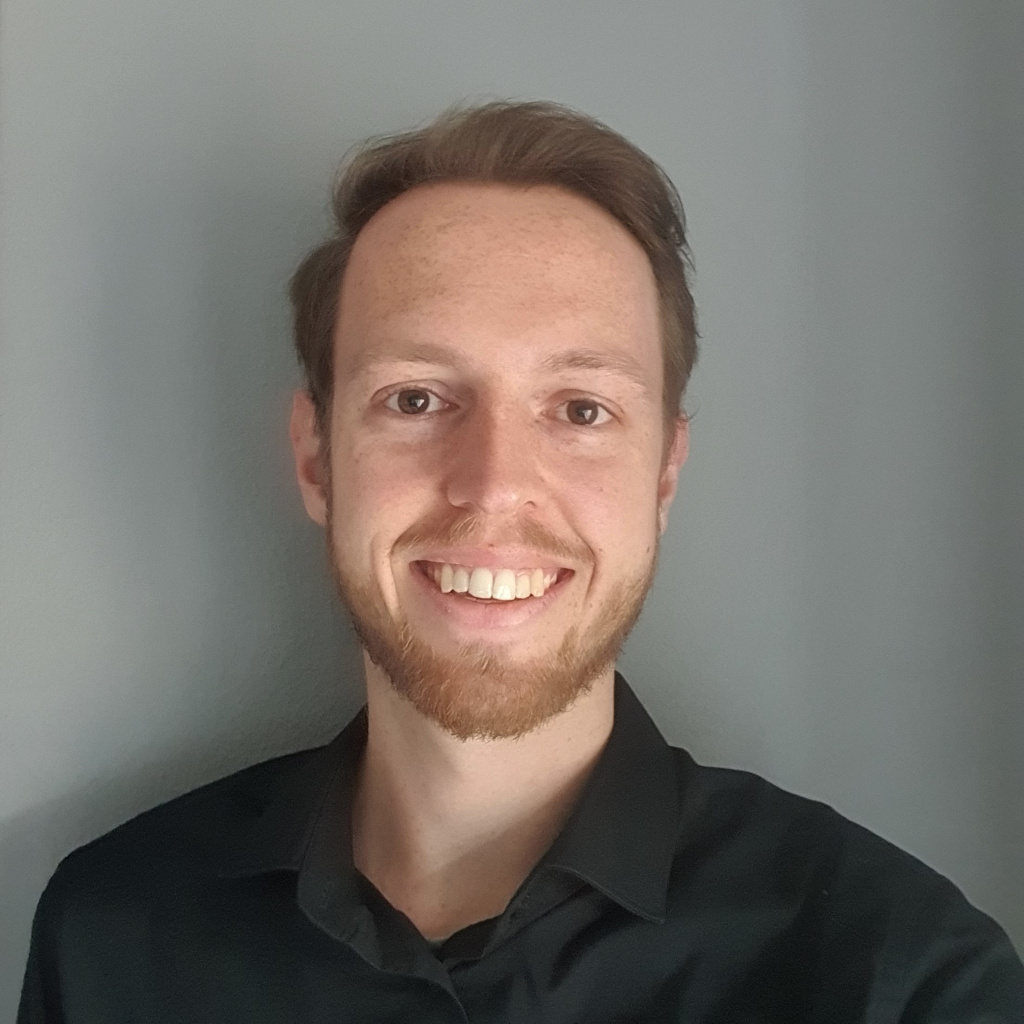 After completing his studies at KIT, Daniel Freerichs is working as a doctoral candidate, doctoral researcher at a major aerospace company. There, he is researching ways to make silicon solar cells more resistant to high-energy radiation in space: Because the cells degrade slowly in orbit, solar generators today must be oversized, which drives up costs. His daily work includes literature research, designing and conducting experiments and measurements, establishing collaborations, and holding meetings with the team and his professor. What he likes most about his work is “the freedom to research what I want, and the people on my team and among our collaboration partners.” From his studies, the lectures on solid-state and semiconductor physics have been particularly helpful. He also emphasizes the importance of “scientific writing, data interpretation—especially understanding what an experiment cannot tell you, even if you’d like it to—lab work, programming skills, as well as resilience and perseverance”.
What industry are you currently working in, and what does your daily work routine look like?
I work as a doctoral candidate in the space sector at a major aerospace company. My work focuses on making silicon solar cells more resistant to high-energy radiation in space. The cells degrade slowly in orbit because electrons and protons with energies ranging from a few hundred keV to tens of MeV knock atoms out of the silicon lattice, causing permanent damage. However, the panels must be designed large enough to still deliver the necessary power at the end of their service life. This is why solar generators in space must be oversized, which drives up costs. My primary focus is on passivating defects in the cells using hydrogen through targeted cell design. My daily routine consists of literature research, design, preparing and conducting experiments and measurements, establishing collaborations, and meetings with my team and the professor.
Which scientific qualifications and soft skills from your studies help you in your current work?
On the one hand, the lectures relevant to my work have certainly been helpful. First and foremost, solid-state physics in general and semiconductor physics in particular. As for soft skills, I would highlight scientific writing, data interpretation—especially understanding what an experiment cannot tell you, even if you would like it to—lab work, programming skills, as well as resilience and perseverance.
What was your specialization during your master’s program? For example, what was the general topic of your master's thesis?
I specialized in experimental solid-state physics. During my master’s program, I took many courses on quantum computers, superconductivity, the electronic and magnetic properties of solids, and X-ray physics. My master's thesis was at Campus North and focused on X-ray spectroscopy of a semiconductor material used in thin-film solar cells (CIGS) and the setup of an Inverse Photoemission Spectroscopy (IPES) experiment.
What do you like best about your current job?
The freedom to research what I want and the people on my team and among our collaborators.
What were the challenges after completing your master’s degree?
When applying for scholarships and doctoral programs, the master’s degree certificate was required, which meant I couldn’t start applying until after graduation. Even though the application process went quite well, there was still a delay afterward. I would recommend to others that if they take a student assistant position after their master’s, they should only quit once the start date is confirmed in writing and not rely solely on what people have promised them. And factor in long processing times. I applied for my position in January and wasn’t able to start until November.
How did you find your current position?
Through an online job search portal.
What was a personal highlight during your studies at KIT?
The highlight was a work-related trip to the United States to visit the Advanced Light Source in San Francisco and Yosemite National Park. But in terms of my studies specifically: I think we have an outstanding physics culture, a spirit of helpfulness, and a strong sense of belonging in our Department.
From your current perspective, what advice would you give to incoming freshmen?
Find a study group, attend lectures, and if at all possible, don’t skip written exams.