
Career Path and Profile – Dr. Nils Braun
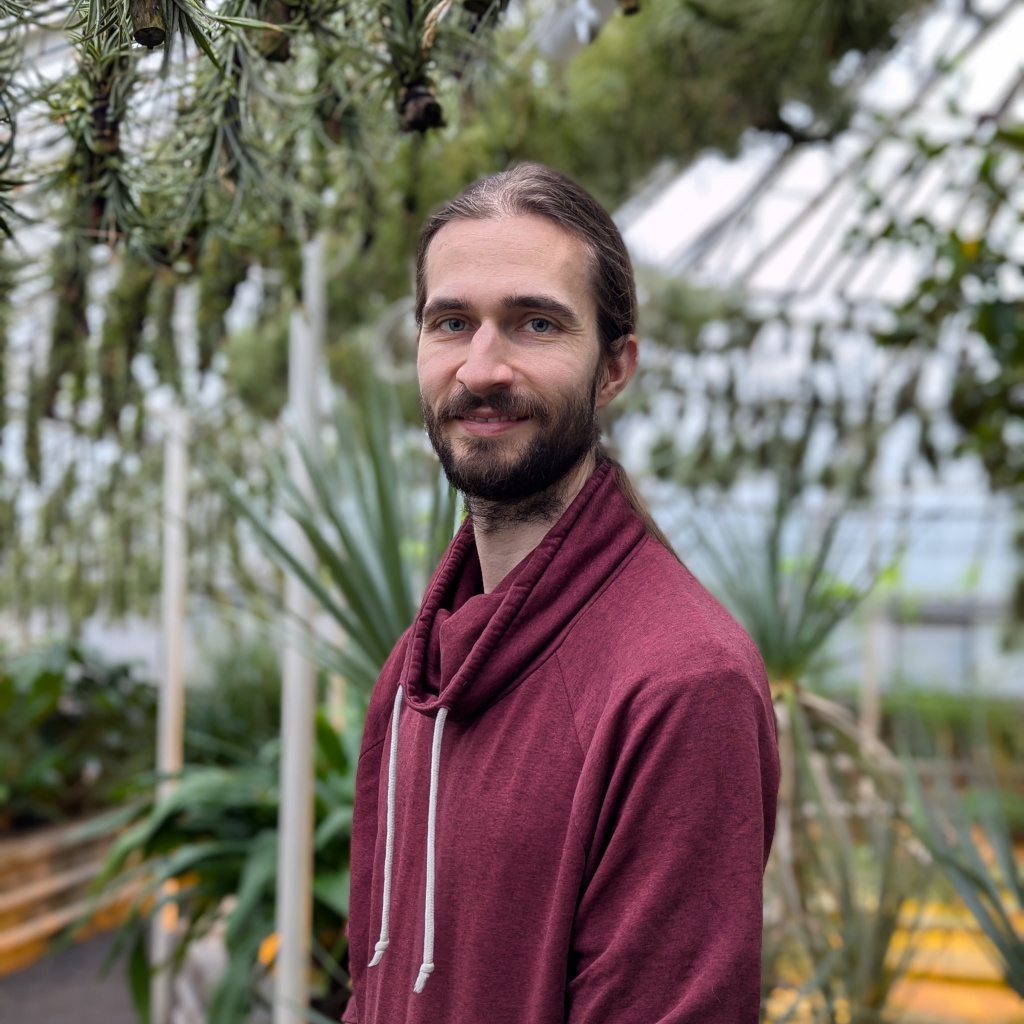 After completing his doctorate at KIT, Dr. Nils Braun works as a software developer in the Division of artificial intelligence. His daily work now consists largely of developing software, interacting with users, and planning future developments, mainly in a team with international colleagues—"and is therefore not that different from when I was working on my doctorate." What he likes most about his work is the freedom to make many decisions on his own when it comes to direction, topic selection, or planning, as well as the insights into many exciting projects and the collaboration with talented people. He already learned a great deal about software development and machine learning during his undergraduate studies and doctorate in experimental particle physics. Since he still frequently collaborates with scientists today, it helps him greatly to speak their language. Above all, however, it is the soft skills he applies almost daily: the ability to “quickly familiarize myself with new topics and tackle problems with creative solutions as part of a team.”
What industry are you currently working in, and what does your daily work routine look like?
I am a software developer for machine learning tooling. Accordingly, my daily work consists largely of developing software, communicating with users, and planning further developments. This is mainly done in a team with international colleagues and is therefore not that different from my time during my doctorate!
Which academic qualifications and soft skills from your undergraduate studies and doctorate help you in your current job?
I learned a great deal about software development and machine learning during my undergraduate studies and my doctorate. I still work with researchers today, and it helps a lot to speak their “language” and understand their way of working. Above all, however, it’s the soft skills that I can apply almost every day: the ability to quickly familiarize myself with new topics and tackle problems with creative solutions as part of a team. Perhaps somewhat unexpectedly: the fact that modern research in physics takes place almost exclusively in English—forcing me to speak and write a lot in English—also helps me in my profession.
What motivated you to pursue a doctorate, and in what field did you complete your doctorate?
I completed my PhD in the Division of experimental particle physics. My work focused on the development of algorithms and software for reconstructing charged particles in the Belle II detector, which is located in Japan. The main reason I decided to pursue a doctorate was, first and foremost, the enjoyment I derived from my master's thesis—which I completed in the same research group—and the incredibly positive collaboration with my colleagues at the time. For me, this enjoyment is particularly important for maintaining my own creativity and getting through difficult phases when things aren’t going so well.
What do you like best about your current job?
I’m lucky to be able to make many decisions on my own when it comes to the direction of my work, choosing topics, or planning. I really enjoyed this freedom during my doctorate as well. On top of that, my role allows me to gain insights into many exciting projects within the company and to work with many talented people.
What challenges did you face after graduation/after completing your doctorate?
Unlike many specialized degree programs, a physics degree program is not geared toward a specific professional field. So you’re not limited to doing exactly what you focused on during your studies. On the one hand, that’s a major strength, but on the other hand, it also means that at the beginning, you don’t necessarily know where to even start looking. Looking into different careers or doing an internship while still in school or working on my doctorate really helped me in that regard.
How did you find your current job?
I applied for my position after my current boss became aware of my work as an open-source developer. This has been a very important experience for me, and I would highly recommend it to aspiring software developers: Working as an open-source developer isn’t just exciting—it also helps you build valuable connections. In fact, networking is far more important than I ever imagined it would be back when I was a student.
What was a personal highlight during your time at KIT?
I had a wonderful time at KIT with many highlights! But what has stayed with me most are the many wonderful moments with my colleagues and fellow students: whether over coffee together at the AKK or during a blackboard session where we worked together to solve a difficult problem from my doctorate.
From your current perspective, what advice would you give to incoming students?
Physics is a great field. It gives you the tools to tackle difficult problems in a structured and creative way. My advice would be to remain open to topics and fields of application outside of physics, because it is precisely this openness that opens many doors later on. And don’t underestimate the importance of networking: the connections you make during your undergraduate or doctorate can have a decisive influence on your future career path.